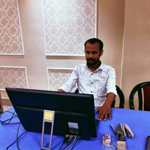

To support practical learning, the department is equipped with:
Computer Practical Laboratory with modern desktop systems and updated software tools
Digital Electronics Laboratory for hands-on experiments in logic circuits and digital systems
Internet-enabled systems to support programming, simulation, and project work These facilities provide students with opportunities to gain practical experience in programming, digital systems, and office automation tools.
The department offers skill-oriented and foundational courses designed to meet academic and industry needs, including:
Computer Fundamentals
C Programming
Digital Electronics
Programming in Java
MS PowerPoint
MS Excel
Affiliated with the University of North Bengal, the department has fully integrated the Four-Year Undergraduate Programme (FYUGP) in alignment with the National Education Policy (NEP 2020).
| Sl.No. | Courses | Key focus and Outcome |
|---|---|---|
| 01 |
MINOR |
Builds foundational knowledge in computing, programming, and digital systems. Students develop logical thinking, problem-solving ability, and basic software development skills useful for higher studies and interdisciplinary applications. |
| 02 |
SEC |
Enhances presentation design and communication skills. Students learn to create professional presentations for academic and workplace environments. Develops data handling, analysis, and spreadsheet management skills essential for research, business, and administrative work. |
The department’s NEP-aligned curriculum ensures that students acquire both theoretical understanding and practical competencies, enabling them to adapt to technological advancements and diverse career pathways.
Teaching & Learning Methodology and Beyond the Classroom
The Department of Computer Science adopts a student-centric and practice-oriented approach to teaching, ensuring that learners gain conceptual clarity along with real- world technical competence. Emphasis is placed on interactive learning, hands-on practice, and continuous skill development.
Interactive Lectures: Concept-based teaching supported by real-life examples and problem-solving sessions.
Hands-on Laboratory Practice: Regular practical sessions to strengthen programming, digital electronics, and software application skills.
Demonstration & Live Coding: Step-by-step demonstration of programs and software tools for better understanding.
Project-Based Learning: Mini projects and assignments to encourage application of theoretical knowledge.
Use of ICT Tools: Multimedia presentations, simulations, and digital learning resources to enhance comprehension.
Continuous Assessment: Class tests, practical evaluations, and assignments for ongoing academic improvement.
The department fosters a vibrant intellectual culture through several initiatives:
Workshops & Skill Development Sessions on programming, office automation, and digital tools.
Student Seminars & Presentations to improve technical communication and confidence.
Hands-on Training Programs to enhance employability skills.
Career Guidance & Higher Study Awareness sessions.
Participation in Academic Competitions & Tech Events to encourage innovation and teamwork.
Community Digital Literacy Support Initiatives promoting responsible and effective use of technology.
Through these initiatives, the department extends learning beyond the classroom, preparing students to become competent, confident, and socially responsible digital citizens.